

Educator Retention Collaborative
Retention, regulation, and leadership support for independent schools
Why Schools Reach Out
Educator Retention Collaborative partners with independent schools to strengthen teacher retention, stabilize school culture, and support leadership clarity. The work focuses on helping adults remain steady, communicative, and consistent under the real pressures of school leadership and teaching.
ERC's Story
After decades working inside PK–12 schools — as a teacher, behavior specialist, and administrator — I began to notice a consistent pattern. When schools struggle with retention, burnout, or cultural strain, the issue is rarely just workload or policy. More often, it reflects the cumulative emotional pressure placed on the adults responsible for leading and teaching.
Educator Retention Collaborative grew from that observation. Rather than focusing only on structural solutions, this work helps leadership teams strengthen the human capacities that allow schools to function well under pressure — regulation, communication, and relational steadiness.
When adults in a school are supported in remaining steady and clear, expectations become more consistent, relationships stabilize, and the conditions for learning become healthier for both students and educators.
How This Work Looks in Practice
This work is not about changing job descriptions or adding more initiatives. It focuses on how adults experience the demands already placed on them. Through coaching, consultation, and nervous system–informed practices, I help schools strengthen the internal conditions that allow educators and leaders to remain steady, responsive, and connected in the face of daily pressure.
Who This Work Is For
This work is designed for independent schools that are:
• Experiencing ongoing teacher turnover or difficulty retaining experienced staff
• Noticing rising stress, reactivity, or emotional fatigue among faculty or leadership
• Carrying the strain of complex student needs, parent expectations, and limited capacity
• Wanting to strengthen school culture without adding another initiative or program
• Seeking practical ways to support adults so they can better support students
• Open to approaches that address the human and emotional dimensions of school life
This work is especially helpful for schools where:
• Leaders are acting as emotional shock absorbers for their communities
• Faculty are committed but depleted
• Culture feels fragile or inconsistent
• Conversations about behavior, performance, or accountability have become difficult
• Retention has become a concern rather than a given
What This Work Looks Like Inside a School
The work of Educator Retention Collaborative focuses on strengthening the human capacities that allow schools to function well under pressure. Rather than adding another program or initiative, this work helps leadership teams develop the steadiness, communication, and relational clarity that support a healthy and sustainable school culture.
In practice, that work often shows up in the following ways:
Regulation Under Real Conditions
Schools are filled with moments that can quickly escalate stress — difficult conversations with families, challenging student behavior, faculty tensions, and high-stakes leadership decisions. This work helps educators and leaders develop the capacity to remain grounded in those moments, rather than becoming reactive or overwhelmed.
Through practical nervous system regulation tools and guided reflection, leaders learn how to steady themselves under pressure so communication remains clear and decisions remain thoughtful even when circumstances are demanding.
Consistency That Feels Human
In many schools, expectations shift under pressure and adults can find themselves reacting to problems rather than following through with clarity and consistency. This work helps leadership teams strengthen shared expectations and steady follow-through across daily school life.
When adults are able to remain regulated and aligned, systems begin to feel more predictable and humane — so students experience stability and staff no longer feel like they are constantly starting over.
Communication Without Collapse
When stress rises in a school, communication often narrows — conversations become defensive, avoidant, or emotionally charged. This work helps educators and leaders remain present and relational during moments of conflict, feedback, and accountability.
By strengthening steadiness in the nervous system, leaders are better able to listen carefully, respond thoughtfully, and maintain trust even when conversations are difficult.
Over time, this steadiness allows hard conversations to remain productive rather than becoming sources of tension or fragmentation.
Leadership That Reduces Burnout
School leaders are often the emotional regulators of a building, absorbing pressure from students, families, and faculty while still being expected to lead with clarity and steadiness. This work helps leaders develop ways of holding boundaries, making decisions, and supporting staff without carrying the culture alone.
When leadership remains grounded and supported, responsibility is shared more sustainably and the overall emotional load of the school becomes easier for everyone to carry.
When adults feel more regulated, communication becomes clearer. When communication is clearer, culture stabilizes. And when culture stabilizes, retention becomes possible.
How We Work Together
My work with schools is flexible and shaped around each community’s needs. Rather than offering a single program or fixed curriculum, I partner with school leaders to design support that fits their context, capacity, and goals.

Leadership Consultation
I work directly with Heads of School, Principals, Deans, and leadership teams to support steadiness in decision-making, communication, and culture-holding. This may involve individual coaching, small leadership groups, or ongoing consultation across the school year.
Faculty and Staff Support
I facilitate professional learning and group sessions focused on helping educators regulate stress, strengthen communication, and remain grounded in challenging moments. These sessions are practical and experiential, designed for real school conditions rather than idealized ones.
Culture and Climate Support
For schools experiencing strain around behavior, consistency, or morale, I offer consultation focused on strengthening adult capacity so expectations, boundaries, and relationships can stabilize over time.
Short-Term or Ongoing Engagements
Some schools work with me for a focused period around a specific challenge. Others choose longer-term partnerships to support leadership and staff through transitions, growth, or sustained pressure.
About
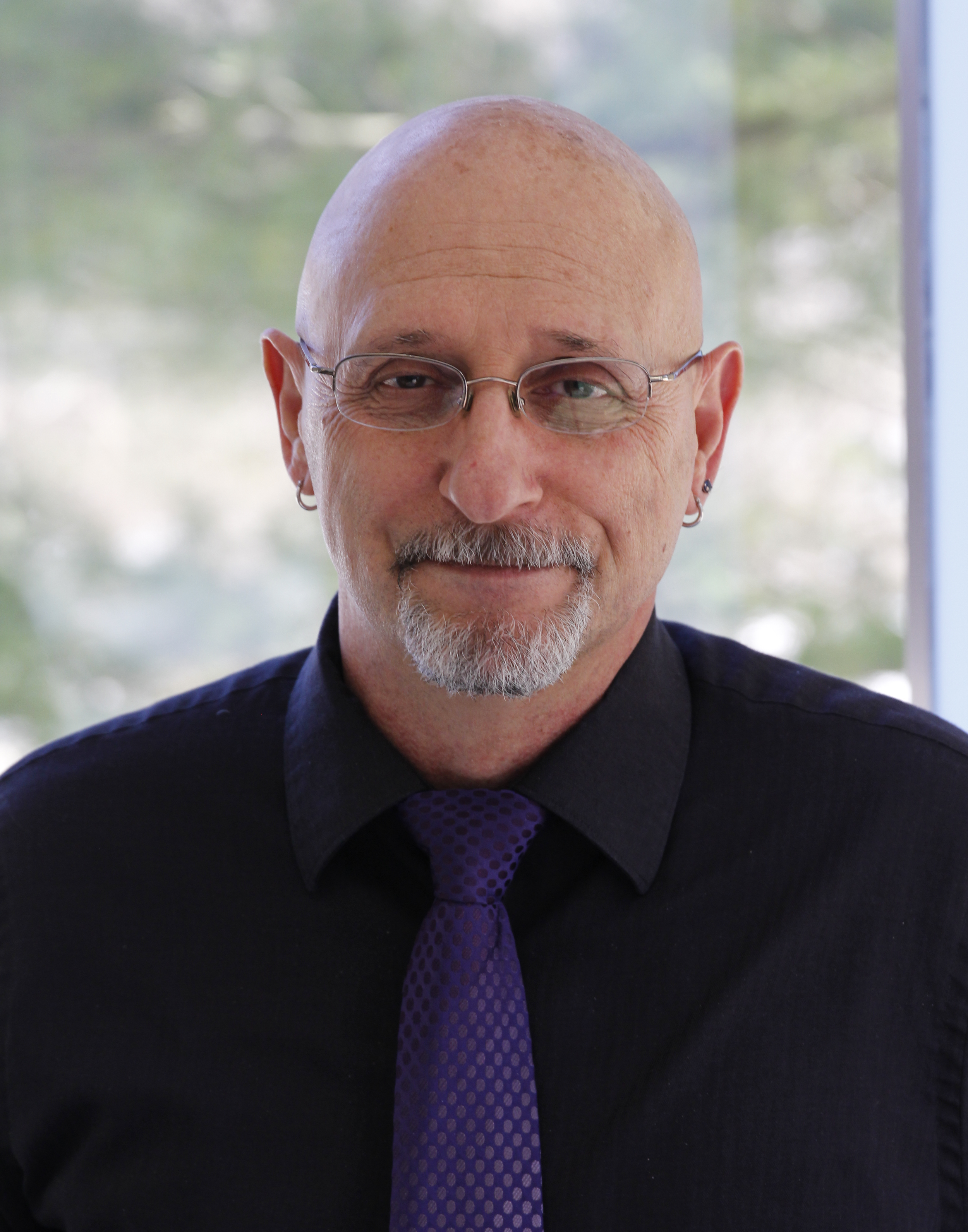
I bring more than four decades of experience working in PK–12 schools, including independent, public, charter, and international settings, where I served as a teacher, behavior specialist, and school administrator. My career has been spent inside the daily realities of schools — supporting students, working with families, and partnering with faculty and leadership teams through periods of stress, change, and growth.
Over time, I saw that burnout and turnover are rarely just about workload or policy. More often, they reflect chronic emotional strain, reactive systems, and adults who are carrying more responsibility than they have support for. This work grew from that understanding: that sustainable schools depend on the steadiness and capacity of the adults who lead and teach within them.
Today my work integrates professional coaching with evidence-based, nervous system–informed practices, including Clinical EFT (Emotional Freedom Techniques). These approaches are adapted specifically for school contexts and used in practical ways that support communication, leadership clarity, and cultural stability.
I work with schools as a partner, not a program — helping leadership teams strengthen the adult capacity that allows expectations, relationships, and learning environments to remain steady even under pressure.
I believe that when adults are supported in staying regulated and connected, schools become places where both educators and students can remain engaged, resilient, and committed over time.
Today I work with independent schools across the country to strengthen adult capacity for steadiness, communication, and sustainable leadership.
For more about David Ekram CLICK HERE
The Science Behind the Work
My work is grounded in nervous system–informed practices, including Clinical EFT (Emotional Freedom Techniques), a research-supported method for reducing stress and emotional reactivity, with demonstrated effects on emotional regulation, stress reduction, and resilience in high-demand environments. For those who would like to understand the science behind this work, this 14 minute video offers an accessible overview of how tapping affects the brain and body and why it can help people remain calmer, clearer, and more resilient in demanding environments.
For a 33-minute expanded version and expert interviews on the science and effectiveness of Clinical EFT, CLICK HERE.
Interested in exploring whether this work could support your school?
If you’d like to talk through what’s happening in your school, I’d be glad to have an initial conversation.